|
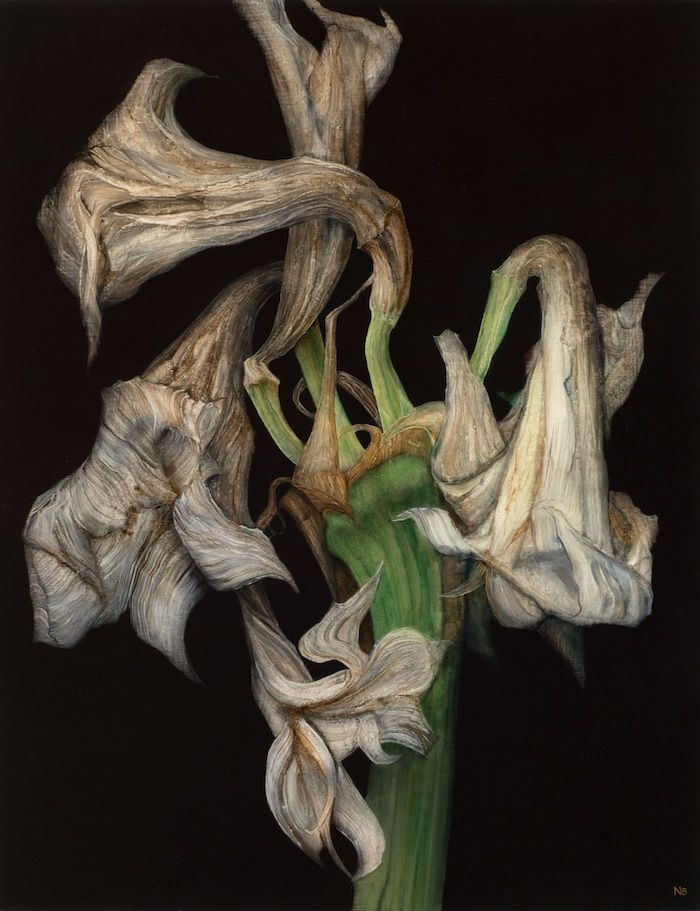
image from Pinterest.es Good morning, cloudy and foggy at 8:00 AM, it is predicted to have the clouds leave and we will see the sun. The temperature now is 29 degrees with a high of 53 degrees. YES, I wrote 53 degrees with sunshine. ENJOY and what an end of January. Yes we will have more winter but this will make it a lot shorter. I was asked this question this week about their amaryllis what to do with them after they bloom? Here is the information.
What to Do with Amaryllis After It Blooms By NADIA HASSANI Amaryllis with its beautiful, large, funnel-shaped cluster of flowers in stunning colors does not have to be a one-and-done flower. Once amaryllis have finished blooming, there is no need to throw them out. With proper care after the bloom, you can keep amaryllis blooming for years. Usually amaryllis are sold as potted houseplants or bulbs around the holidays. Making amaryllis rebloom the next year, and even year after year, is not difficult, it just takes some planning and extra care, first and foremost an adjustment of the watering schedule and the right temperature. Because the bloom of this tropical plant is controlled by moisture, which is entirely in your hands, you can set the time for when you want your amaryllis to bloom next. The Life Cycle of Amaryllis Amaryllis, a plant native to Central and South America, does not undergo true dormancy. Instead, the bulbs go through a rest period after flowering which allows them to recover and bloom again. In its natural habitat, after the plant is done blooming, it keeps growing. During this post-blooming period, the continued leaf growth ensures photosynthesis, which in turn helps the plant store energy in the bulb for future leaf growth and flowers. Eventually the leaves turn yellow and drop and the plant stops growing for a few weeks, which naturally occurs around December. At the end of this rest period, amaryllis restarts growing, first leaves, then one or more flower stalks. Failure to send up flower stalks is an indicator that the plant has not collected enough energy during the post-bloom period. Caring for Amaryllis After the Bloom Amaryllis care after the bloom falls into three stages: during the leaf growth until late summer, the rest period in the fall, and regrowth and rebloom in the late fall/early to mid-winter. The care for your amaryllis also depends on whether you are timing the bloom, for example for a holiday, or let it rebloom naturally. After the Bloom Until Late Summer After your amaryllis is done blooming, keep it in a sunny indoor location. Remove the faded flowers promptly to prevent them from forming seeds, which will deplete the plant of energy. But only remove the flower stalk when it has turned yellow because as long as it’s green, it will promote photosynthesis. Cut the flower stalk between a half inch and one inch above the bulb with a sharp knife or pruners. Keep the soil moist but not wet. Water the plant whenever the top two inches of soil feel dry. Fertilize it every two to three weeks with half the recommended strength of an all-purpose balanced houseplant fertilizer. In the spring. when there is no longer any danger of frost and the nighttime temperatures stay consistently above 50 degrees Fahrenheit (10 degrees Celsius), your amaryllis will be the happiest outdoors. Make sure to gradually adapt the plant to its outdoor location. Amaryllis should get at least six hours of sunlight daily, ideally a location with dappled sun or diffuse light. Keep in mind that potted plants outdoors dry out much faster than indoors so water more frequently in the summer. Around August, stop fertilizing the amaryllis to prepare it for its rest period. When the temperatures drop again below 50 degrees Fahrenheit (10 degrees Celsius) at night in the late summer or early fall, bring the plant back inside. The Rest Period Once your amaryllis is back indoors with the onset of cool fall weather, there are two ways of getting it to rebloom: you can time its rebloom, or you can let its natural bloom cycle take its course. To set the bloom time yourself, stop watering and fertilizing the plant 8 to 12 weeks before the desired bloom time, such as Thanksgiving or Christmas. Count back from that date and move it to a cool, dark, dry place with temperatures around 55 to 60 degrees Fahrenheit (12 to 15 degrees Celsius), such as a cool basement or a garage. Cut off the leaves after they have turned yellow and brown and trim the plant back one to two inches above the bulb. Alternatively, you can also let the plant go through its natural life cycle. Place it in a cool indoor location around 50 to 60 degrees Fahrenheit ((10 to 12 degrees Celsius) but keep it in indirect, bright light. Water it sparingly to keep it barely moist and do not fertilize it. The leaves will begin to yellow and drop around December. The Regrowth Period If you have stopped watering and fertilizing your amaryllis for a timed bloom, after 8 to 12 weeks move it to a sunny, bright location where the temperature remains consistently around 70 to 75 degrees Fahrenheit (21 degrees Celsius). Resume watering and fertilizing. It is very possible that new growth already appears during the rest time, which is also a good indicator that the plant is getting ready to be moved again. For amaryllis that has not undergone the forced rest period, it will take another month or two for new leaves and flower stalks to emerge. At that point, move the amaryllis to a warmer, sunnier spot and start fertilizing it again, as described above. Regardless of the growth method, put the amaryllis in the sunniest spot possible because the more sun, the better the bloom. To encourage reblooming, use a fertilizer with a high phosphorus content. Repotting amaryllis is only necessary after a few years, as the plant does best if there is very little extra soil around the bulb. Taken from https://www.thespruce.com/amaryllis-care-after-blooming- Till next time this is Becky Litterer, Becky’s Greenhouse, Dougherty Iowa [email protected] 641-794-3337 cell 641-903-9365
0 Comments
Leave a Reply. |

AuthorHi! My name is Becky and I am a Master Gardener. I own Becky's Greenhouse in Dougherty, Iowa. Archives
March 2024
Categories |
 RSS Feed
|