|
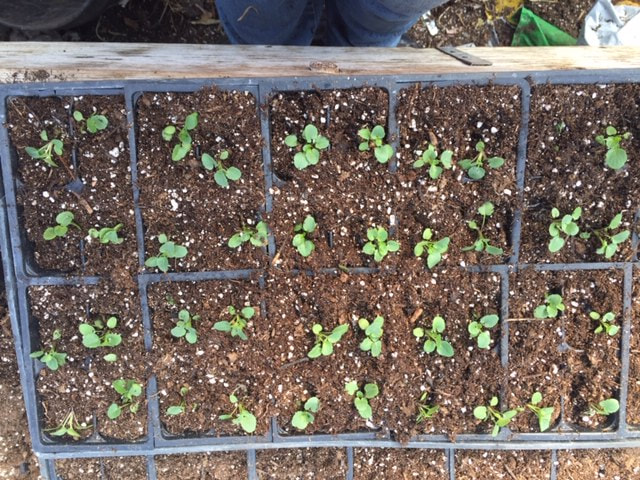
images from Becky's Greenhouse, Cabbage, broccoli, cauliflower, kohlrabi, collards I just came in from the greenhouse. Cool in there but everything looked good. COLD outside. Sun is shining but it is cold out with the temperature being at 4F. Suppose to warm up to 24F(-4C). We might get a little snow around an inch tonight. But the rest of the week it will be warming up. High of 68F(20C) on Saturday. We will be looking forward to that. The snow will melt and be gone. Stay warm, stay safe.
Q: Why should you never iron a four-leaf clover? I am posting this riddle I think of Dennis Campbell, our local Irishman that always has a joke or two to tell. Tonight is the Annual St. Patrick’s Soup Supper at the St. Pat’s school. It will start at 5:30 for appetizers and eat soup at 6:00. Come and celebrate St Patrick’s Day in Lil Ireland. Here is the punch line for that question? A: You don’t want to press your luck! Australia family and friends had that rain, and then they said it turned humid for them Today March 18th Wed will be 74F(22C) and partly cloudy with a slight wind. So, I think it would be a nice fall day. They will let me know. Stay safe. I looked around the greenhouse and took pictures of cabbage, broccoli, kohlrabi, collards, cauliflower. Part of the Cole weather crops. TOO early to plant, but they are growing nicely when it is ready to plant. Here is some information about Cole weather crops. Cole Crop Plants -By Heather Rhoades Cole crops are a common sight in the home garden, especially in cooler weather, but some gardeners may not know what cole crops are. Whether you know what cole crop plants are or not, chances are you enjoy them on a regular basis. What are Cole Crops? Cole crops, at a basic level, are plants that belong to the mustard (Brassica) family and are all descendants of wild cabbage. As a group, these plants grow better in cool weather. This leads many people to think that the word “cole” is a variation of the word “cold” and they may even refer to these plants as cold crops. Actually, the word “cole” is a variation of a Latin word that means stem. Cole Crops List So what types of plants are considered cole crops? The following is a list of the most common of these plants: • Brussels sprout • Cabbage • Cauliflower • Collards • Kale • Kohlrabi • Mustard • Broccoli • Turnip • Watercress When to Plant Cole Crops The specific time for when to plant cole crops will be different depending on which one you are growing. For example, most cabbage varieties can be planted out much earlier than broccoli or cauliflower because cabbage plants can tolerate a much lower temperature. In general, these crops grow best when daytime temperatures are below 80 degrees F. (25 C.) and nighttime temperatures are below 60 degrees F. (15 C.) at night. Temperatures higher than this can lead to buttoning, bolting, or poor head formation, but most cole plants can tolerate much lower temperatures than other garden plants and can even survive light frosts. Growing Cole Crop Plants For best results, cole crops should be grown in full sun, but due to their need for cooler temperatures, if you have a partially shaded garden, the vegetables in this family will do okay here as well. Also, if you live in an area that has a short, cool season, planting them in part shade can help alleviate daytime temperatures by keeping direct sun from falling on the plants. Cole crop plants usually need significant amounts of nutrients, particularly micro-nutrients that may not be found in standard fertilizers. Therefore, it is important to work organic material into the beds you plan on growing cole crops in prior to planting them. Since many of these crops are susceptible to the same types of diseases and pests, rotating plants at least every few years is a good idea. This will help to cut down on diseases and pests that overwinter in the soil and attack the plants. Taken from https://www.gardeningknowhow.com/edible/vegetables/vgen/cole-crop-plants.htm Till next time this is Becky Litterer, Becky’s Greenhouse, Dougherty Iowa [email protected] 641-794-3337 cell 641-903-9365 Beckysgreenhouse.com Facebook Becky Kerndt Litterer or Becky’s Greenhouse
0 Comments
image from publicdomainpicturees.com WOW we got that snowstorm didn’t we. Now the cold, and the wind is still blowing. I don’t know about you but that wind blowing at night isn’t my favorite. Just gives me thoughts about who is in control and how we need to be thankful when this is passed and we are safe and warm. Especially my little plants. Stay warm. Stay safe.
Australia family and friends for March 17th will have 68F(20C) and 95% rain. Sounds like a fall day for them and Evelyn has written it has been very pleasant fall. Enjoy and stay safe. I wanted to post this about raising baby chicks, just because the picture of the baby chicks is so cute. It is another sign of spring getting baby chicks in. I remember when I was at home, it was a big deal when the chicks came, and it was through the post office. In the boxes with holes and dad would put them into the little chicken coop. It had lights, sawdust and feeders in them. I see those little metal feeders now that people are planting succulents or plants in them. Mother would raise chicks for laying hens, and hens for eating. I could write a whole story on that process when it came time to clean and cut up the chickens. Mother would raise lots of laying hens, and that was one of my jobs was to pick up the eggs. They would be in wooden nests on the wall, and I would have to reach in and get them. We would use those wire egg baskets you see now in the gardens for decorations. Those wire egg baskets would fit into a mechanic egg cleaner and go back and forth slowly washing off the eggs. Mother would then put them into egg cartons the ones that hold 36 eggs. She would put those eggs into a refrigerator. I think the eggs went up to the grocery store for sale. I also remember she got to keep all her egg money and that was hers. I know some of you have stories to share about growing up with raising baby chicks. Please share. You might have stories of raising them now. Share , we all would like to read them. Raising baby chickens in your backyard Written By: Catherine Boeckmann Wondering how to raise baby chicks. Where to Buy Baby Chicks (Local Stores vs. Hatcheries) There are several ways to get chickens. Most often, chicks can be bought locally in the spring from farm supply stores or small farms. These days, you can even order chicks online and have them shipped to your door (or local post office). Then there’s always the “ask a friend with chickens to hatch some for you” approach. When to Buy Baby Chicks You can purchase chickens at several stages of development—it all depends on how long you’re willing to wait for eggs. Day-old chicks are available from hatcheries. Most farm suppliers do one or two chick orders a year, so you can get your chickens where you plan to get your feed. They’re usually under $3 each. You’ll have to wait about 6 months for eggs. Ready-to-lay pullets are 20 weeks old and just about to start laying. They’re more expensive than day-olds, but you will get your eggs sooner. They can go straight to the coop, and they are all females. These, too, can be ordered through your farm supplier from the hatchery. Mature laying hens are harder to come by. Unless you have someone with a small flock nearby who wants to replace older hens and will sell their “old girls” to you, chances are you’ll have to buy pullets or chicks. (“Battery hens” are not good candidates for a farm flock—they’re confined in tiny cages, debeaked, and made to produce so hard that they’re “laid out” at 2 to 3 years of age.) How to Set Up a Brooder for Baby Chicks Tending baby chicks isn’t difficult, nor does it need to be elaborate. First, they need a draft-free brooder pen with a red brooder lamp on at all times. This keeps the temperature at 92°F (33°C) at 2 inches above the floor. (It also reduces pecking and cannibalism among chicks.) When the chicks have feathered out, reduce the temperature by 5°F per week until they are 6 weeks old. What Do Baby Chicks Eat? Feeding Guide for Beginners For simplicity, most owners of small flocks buy commercial rations from their local feed stores. Young chicks will require “starter” feeds, and you may have a choice of medicated or non-medicated versions. (If you can keep a healthy flock with the non-medicated rations, do so.) Fresh water should be in constant supply. Once the hens reach laying age, at approximately 5 months, you’ll want to switch to layer rations with at least 16 percent protein. Chicken feeds can be supplemented by homegrown or home-mixed rations of grains (oats, corn, barley, wheat, etc.), various brans, fish meal, alfalfa meal, and bonemeal. You can add scraps from your table, such as fruit and vegetable peels or leftover breads. However, avoid offering raw potato peels (hard to digest), garlic or onions (which may alter the way the eggs or meat taste), or anything spoiled. Feeds bought from the store contain all the phosphorus and salt your hens will need, and they eliminate the need for grit. Be sure to offer a hopper of grit to help the hens grind up any grains or plant matter they eat. Hens also need a hopper of ground oyster shells or another calcium source to prevent soft-shelled eggs. Keep refilling the oyster shells, as the hens will only eat what they need. Tips for Keeping a Happy Chicken Coop If you don’t yet have one, here’s how to build your own chicken coop. Many sources say that you can’t keep a flock of mixed ages. We never had a problem with older chickens picking on younger ones or vice versa. Our hens raised their chicks happily in the flock. Most picking is the result of overcrowding. Give your chickens lots of space. Young chicks need to be close to water and food at all times. Spread a 4-inch layer of pine shavings on the floor, then lay several layers of newspaper over that. Scatter lots of chick feed on the paper and also have feeding troughs filled in the pen. Remove a layer of paper every day, and by the time the last layer is gone, the chicks will have found the feeding trough. Always use red bulbs; injury doesn’t show under red light. Under white light, any bloody spot immediately attracts pecking. Chicks will cheerfully and efficiently peck each other to death. Block corners of the pen with cardboard to make wider angles that are harder for chicks to pack up in. (You could also make a circular pen.) This prevents suffocation. Ensure that waterers are shallow and cleaned daily to avoid having chicks drown. My hatchery recommends one gallon-sized waterer for every hundred chicks. I always had two or three, even for fewer chicks, so that they wouldn’t crowd each other. With pullets, I used one waterer for every six to eight chickens and a feed trough long enough to accommodate all of them at once. Frequently Asked Questions How long do chicks need a heat lamp? Chicks need supplemental heat for about 4–6 weeks. Start at 92–95°F the first week and reduce the temperature by 5°F each week. Once chicks are fully feathered and outdoor temperatures are mild, they can transition out of the brooder. When can baby chicks go outside? Chicks can go outside for short, supervised visits once they’re a few weeks old and the weather is warm. They can move permanently to the coop around 6 weeks old, once fully feathered and nighttime temperatures are above 50°F. When do chickens start laying eggs? Most hens begin laying eggs around 18–24 weeks old (about 5–6 months), depending on breed, nutrition, and daylight hours. Is it better to buy day-old chicks or pullets? Day-old chicks are less expensive but require more time and care before laying. Ready-to-lay pullets cost more but begin producing eggs much sooner. The best option depends on your budget and how quickly you want fresh eggs. Do you need a rooster for hens to lay eggs? No, hens do not need a rooster to lay eggs. However, you will need a rooster if you want fertile eggs for hatching chicks. How many chickens should a beginner start with? Most beginners start with 3–6 chickens. Chickens are social animals and should never be kept alone, so plan for at least two or three birds. What bedding is best for baby chicks? Pine shavings are one of the best bedding choices for baby chicks. Avoid cedar shavings, which can cause respiratory issues. How do you keep baby chicks from pecking each other? Use a red heat bulb to reduce aggressive pecking, avoid overcrowding, and ensure plenty of food and water space. Most pecking problems are caused by stress or lack of space. Taken from https://www.almanac.com/raising-chickens-101-how-raise-baby-chickens Till next time this is Becky Litterer, Becky’s Greenhouse, Dougherty Iowa [email protected] 641-794-3337 cell 641-903-9365 Beckysgreenhouse.com Facebook Becky Kerndt Litterer or Becky’s Greenhouse See if you can identify these? Do you know what plant this is? Can you identify this bird in the Sale Botanic Gardens? Boy oh Boy is it windy out? And it makes it feel cold. Temperature is 32F but it feels like it is 18F. Wind is going down, but then it will rain tonight. But the big concern is the blizzard for Sunday. Minnesota, Wisc, and Michigan are to get 13” of snow. We will get snow but not that much. BUT what is coming will be the wind, so that we do get will make for a blizzard. They don’t know when this will all happen. Before the snow, there could be rain, and freezing rain. Sounds like a day to stay home. So, for this greenhouse grower, wind, snow, freezing rain, and then Monday morning zero temperatures. Larry will be on his best to keep the stoves running for temperature and if the electricity goes out. Not the best weather but we are ready for it. Stay safe all.
Australia family and friends for March 14th Saturday will have 74F(22C) and I do believe that is a nice temperature for them to be outside. ENJOY, and stay safe. I asked for questions, and I got one. One of the gardeners asked if I knew what this plant was. I recognized the leaves. What do you think it is? At the end of the posting, I will let you know what I thought it was. Let me know if it is something different. Evelyn from Sale, Australia sent this picture of a pretty bird that was nesting at the Sale Botanic Garden. She volunteered there and this bird was in one of the flower beds. I had to ask what it was. What do you think this bird is? Larry loved the birds when we were there because of the vibrant colors they had. Plant I think is in the salvia family. The gardener thought so to, after I said that. The bird is a peacock nesting in one of the gardens. I asked Evelyn if I didn’t see the tail feathers and this is what she said. “The long tail feathers have dropped out and will regrow for spring mating. They do look different without them.” I didn’t know that so always learning aren’t we. Again, stay safe here in the Midwest with the watch out for a snow blizzard on Sunday. Till next time this is Becky Litterer, Becky’s Greenhouse, Dougherty Iowa [email protected] 641-794-3337 cell 641-903-9365 Beckysgreenhouse.com Facebook Becky Kerndt Litterer or Becky’s Greenhouse images from Becky's Greenhouse image from georgedidden.com Good morning in Dougherty it is warm out and a high today of 47F(8C). But it is calm before the storm. Tonight, winds up to 60 MPH, and then this weekend there is a major winter storm with high snow amounts and wind. Blizzard like Saturday into Sunday. Stay safe.
Australia family and friends for their March 13th Friday will 67F(19C) and will have wind. It is cooler than normal for them. ENJOY I am thinking and stay safe. I am planting this millet today. As you can see it is very green, and that is what it will look like growing in the container here at the greenhouse. When you take it home and plant it, then it will turn purple, pink and burgundy as the days go. It will be a lovely plant, and then in the fall it will have a bloom like a cat tail and be a dark color. I have read it grows in the sun and the shade. Think about this plant in your garden. Jester Ornamental Millet (Pennisetum glaucum 'Jester') Pennisetum glaucum 'Jester' is an eye-catching pearl millet cultivar prized for its vibrant, multicolored foliage in shades of green, purple, pink, and burgundy. This compact annual grass grows 3-4 feet tall with graceful, arching leaves and soft, creamy flower spikes in late summer. 'Jester' thrives in full sun and well-drained soil, adding a bold, tropical flair to gardens, containers, and mixed plantings with its season-long display of colorful, ornamental appeal. Plant Data Mature Size 3 - 4 feet tall. 12 - 18 inches wide. Sun Exposure Partial Shade - Full Sun Moisture Tolerance Medium Tags Annual, Container, Deer Resistant, Fall Annuals, Full Sun, Grasses, Medium, Partial Shade, Partial Sun, Popular For Fall, Thrillers Bloom Period August - October Flower Color Red Taken from https://www.northshoreplantclub.com/plant?ID=12336 Till next time this is Becky Litterer, Becky’s Greenhouse, Dougherty Iowa [email protected] 641-794-3337 cell 641-903-9365 Beckysgreenhouse.com Facebook Becky Kerndt Litterer or Becky’s Greenhouse image from Bing image creator GOOD morning mild temperatures yet, but it is starting to cloud up. Rain is predicted but it will be way south of us today. We might get some tonight and tomorrow morning. Did you hear it is going to cool down, so that moisture might snow? See what happens. Remember it is March in Iowa.
Australia family and friends have been telling me they have had nice enjoyable fall weather. Their families are involved with lots of sports activities so finished up with cricket. Now what they call their college junior football clubs are starting with training and soon games. Now doesn’t that sound like our fall. High for them will be 84F(29C) with 45% of rain. Stay cool, stay dry, stay safe for Wed. March 11th. I am having a hard time what to share with you today. I am going to ask if you have any questions, and if I can answer if not, I will research and see what I find out. I will continue to share about plants I am growing but I must research which ones. This week I am getting lots in so I will have lots to share once they are in. We had awesome temperatures and weather yesterday. For me, it was almost too hot in the greenhouse as it was 107F. I am sure today will be more pleasant to plant and work there. Again, if you have any questions and areas, you would like me to find information for you just ask. You can do this anytime. Love the challenge for answering your questions. Can you make me think about the answer. See if you can. Till next time this is Becky Litterer, Becky’s Greenhouse, Dougherty Iowa [email protected] 641-794-3337 cell 641-903-9365 Beckysgreenhouse.com Facebook Becky Kerndt Litterer or Becky’s Greenhouse image from pixabay.com Wow can you believe when I woke up at 2:00AM the temperature was 50F(10C). High today is to be around 60F(15C). This is going to set new highs for this date. ENJOY is all I can say.
Australia family and friends for Feb 10th Tuesday will be having a warmer up trend. 80F(26C) for the next couple of days. Stay cool, stay safe. Is your snowdrops coming up yet? I heard from one of my gardeners just peaking through. Now this is a flower that is planted in the fall as a bulb. I will try to remember to let you know next fall to plant these. If you were interested in plants that bees love, this is one of them. Have you heard the snowdrops ringing Their bells to themselves? Smaller and whiter than the singing Of any fairy elves. —Sydney Thompson Dobell (1824-74) Planting, Growing, and Caring for Snowdrop Flowers Written By: Samantha Johnson You must love a flower that goes through the trouble of blooming in late winter. Snowdrops are small bell-shaped white flowers that don’t mind snow! These early risers are deer-resistant and provide food to early pollinators. About Snowdrops Snowdrops (Galanthus nivalis) are cold-hardy perennial bulbs that grow only 4 to 10 inches tall. They are known for their tiny six-segment, bell-shaped blossoms that gently tilt downward; the smaller inner petals have green markings. Each plant has a single small flower with two slender, grasslike leaves. Members of the Amaryllidaceae family, snowdrops are native to eastern Europe and western Asia grasslands. However, they have been heavily naturalized in the U.K. and North America, and you can sometimes find them growing in the wild in the eastern U.S. They’re generally happiest in USDA Zones 3 to 8; they don’t enjoy extremely hot temperatures and are hardy to about –30°F. Planted in the fall, snowdrops flower from January through March until most deciduous trees leaf out. They are a lovely choice for edging and can easily be worked into your garden’s landscape. These snow-white “drops” look almost magical when flowering in masses like tiny winter fairies. They seem to thrive and look charming under the dappled branches of deciduous trees. Planting If you’ve ever planted bulbs, planting snowdrops will be a breeze! They’re easy to grow and don’t require a lot of attention. They will flower in both full sun and part shade and enjoy dappled light. When to Plant If establishing a new planting of snowdrops in your garden, plant bulbs in the fall. If you’re propagating by dividing an existing plant in your garden, do this in the spring right after the plant finishes blooming. How to Plant If planting bulbs, space them 3 inches apart and about 3 inches deep. Plant the bulbs with the pointy end up and the flat end down. For a more natural look, you can plant groups of bulbs close together. Luckily for gardeners, individual snowdrops begin to spread over time and form a little group. Snowdrops like to self-seed and form their new clumps. Once you have an established, mature grouping of snowdrops, you can divide them to create new plants. Do this in the spring after they finish blooming. To divide, simply use a hand trowel to deeply dig up the entire group of plants all the way down below the bulbs. You can then easily divide the clump into sections and replant as separate groups. Planting snowdrops by seed isn’t recommended. According to the PennState Extension, snowdrop bulbs benefit from stratification, which just means that they need to be exposed to some cold temperatures—below 20°F—in order to grow. Because snowdrops bloom so early, they’re a smart option for planting under deciduous trees. The shade isn’t an issue because the snowdrops will be done blooming before the trees leaf out. Snowdrops are tiny and can fit adorably into little spaces around your landscape—along paths, rocks, and stepping stones. Growing Like other early spring plants, snowdrop flowers are very hardy, quite easy to grow, and tend to propagate themselves. All you really need to do is make sure you supply them with their basic needs. Snowdrops love a rich, loamy (or even clay) soil with lots of organic matter. It’s important for the soil to be somewhat loose at the time of planting. Soil pH should be neutral or can lean slightly acidic or alkaline. Choose a site with good natural drainage. You likely won’t need to water your snowdrops much because there is typically plenty of moisture already available to the plant in the spring. Slightly moist soil is OK, but don’t let your snowdrops sit in too much water for too long. Snowdrops prefer full sun. Some varieties can tolerate some partial shade better than others, but personally I have not found shade to be beneficial to my snowdrops. The University of Wisconsin Extension recommends fertilizing in the spring. You can use a typical bulb fertilizer, and compost is always a good choice for general maintenance! Snowdrops are toxic and can be irritating to the skin, so you may want to wear gloves when handling the plants. Protect kids and pets, too! Snowdrops don’t really require regular watering unless you’re growing them in a container. Bees love snowdrops and their early blooming tendencies are a benefit to bees at a time of year when few flowers are available to them. Taken from https://www.almanac.com/plant/how-grow-snowdrops-first-flowers-late-winter Till next time this is Becky Litterer, Becky’s Greenhouse, Dougherty Iowa [email protected] 641-794-3337 cell 641-903-9365 Beckysgreenhouse.com Facebook Becky Kerndt Litterer or Becky’s Greenhouse image from fity.club I can smell them as they are growing. IT IS RAINING OUT. We had rain last night and it is still going on. It has been ponding by the greenhouse, getting close to the greenhouse but isn’t in the greenhouse yet. Hope it stays that way. Don’t need water and flooding inside the greenhouse. I noticed when I came back from the greenhouse, the rain isn’t like spring. There is a wonderful smell with spring rain, so this is really just a winter rain. Stay dry, stay safe.
Australia family and friends for March 7th Friday will have a high of 76F(24C) Stay cool, stay safe and I would think enjoy the mild weather. I just planted eucalyptus into pots this week for sale at Becky’s Greenhouse. The plants here in our zone will not grow like trees. In fact, they will be a small plant but still have the stems that can be used for flower arrangements, and leaves from them. How to Grow and Care for Eucalyptus By Amy Eucalyptus is an evergreen tree that can grow up to 60 feet high in its native Australian environment. When grown in your average home garden, though, eucalyptus tends to only grow to about 10 feet tall at most. Eucalyptus is known for its fast growth rate, reddish-brown bark, and silvery blue leaves. If you plan on growing eucalyptus at home, keep in mind that its bark, leaves, and sap are toxic to humans and pets when ingested.12 Eucalyptus Plant Care Here are the main care requirements for growing eucalyptus: Plant in well-draining soil with full sun exposure. Prefers warm temperatures. Eucalyptus likes a lot of light, so place your plant somewhere that receives at least six hours of direct sunlight daily. Likewise, eucalyptus plants grown indoors should be kept near a bright window, preferably one that faces south. Soil Eucalyptus can tolerate most soil types, but it needs soil with good drainage. For container plants, use a well-draining potting mix. A slightly acidic to neutral soil pH is best. Water Eucalyptus is somewhat drought-tolerant once it's established. However, long periods of dryness may cause it to drop leaves. A good rule of thumb is to water when you can stick your finger into the soil and feel dryness at your fingertip. Temperature and Humidity Eucalyptus prefers warm temperatures between roughly 65°F and 75°F, and it likes a moderate humidity level. It cannot survive prolonged exposure to temperatures below 50°F. So if you're growing your plant in a container, bring it indoors when you expect chilly temperatures. Fertilizer If you're growing your plant in the ground, it typically won't need fertilizer. However, container plants will deplete their nutrients more quickly. So fertilize them with a low-nitrogen houseplant fertilizer throughout the growing season, following label instructions. A EUCALYPTUS PLANT IS A GOOD CHOICE IF: You want a plant that doesn't require pruning to be healthy You live in a warm, humid environment that stays above 50°F You don't have any pets (or have indoor-only pets, like cats) since this plant is toxic Growing eucalyptus in a pot is a great option for gardeners who want to grow the plant outside of its hardiness zone. You can bring it indoors during winter. Eucalyptus plants don't like having their roots disturbed, so it's best to start with a large, 5-gallon container to avoid having to repot. Choose an unglazed clay or plastic pot with plenty of drainage holes. If you must repot, go with a pot 2 inches wider than the previous. Harvesting Eucalyptus Leaves It is best to wait until late in the growing season to harvest eucalyptus. If you just want the leaves, simply snip them off with pruners or by hand. Air-dry them on a paper towel or drying screen in a cool spot out of direct sunlight. Wait until the leaves are slightly leathery or crispy, and then store them in glass jars with tightly sealed lids. Leaves Turning Brown Leaves turning brown on a eucalyptus tree can be a sign of too little moisture. That’s likely the issue if you notice leaves curling up or dropping as well. In that case, up your watering to keep the soil lightly moist but not soggy. Brown leaves also can be a sign of disease, especially fungal diseases. If just a small area is affected, remove that portion promptly. Or treat with an appropriate fungicide. Taken from https://www.thespruce.com/how-to-grow-and-use-eucalyptus-1762354 Till next time this is Becky Litterer, Becky’s Greenhouse, Dougherty Iowa [email protected] 641-794-3337 cell 641-903-9365 Beckysgreenhouse.com Facebook Becky Kerndt Litterer or Becky’s Greenhouse image from the yearoftheimpatiens.com Another morning of clouds and even heavy fog. Drive safely till it lifts. Temperatures are good at high of 51F(11C) It is getting warmer out. It looks like for a few more days, then it will drop down to the temperature we should have. With the fog, and the clouds it doesn’t quite feel like 51 but it is so much better than that below zero temperature. Stay warm, stay safe.
Australia family and friends for their Friday March 6 will have 76F(24C). I would think that would make for a very nice fall day. Hard to believe they are going into fall, isn’t it. Stay cool, stay safe. There is always a plant of the year, and it looks like the impatiens is that annual plant. Easy to grow if you know where to plant sun or shade. I will have these here this spring for your gardens. The Year of the Impatiens Did you know the name "Impatiens" actually describes the plant's personality? Known as the "Touch-me-not," these plants have a fascinating seed dispersal mechanism where their ripe capsules burst at the slightest touch—shooting seeds up to 20 feet away! From the Mountains to Your Garden First discovered by explorers in the late 1500s across East Africa and South Asia, this genus is incredibly diverse. While we love them in our window boxes, some wild species in New Guinea actually grow as tall as trees. The Great Comeback After a tough decade following the 2011 downy mildew epidemic, the Impatiens has made a triumphant return. Thanks to modern breeding breakthroughs, new disease-resistant varieties like Beacon and Imara XDR mean we can all enjoy these vibrant shade-lovers once again. Whether you're planting a simple container or a lush garden border, 2026 is the perfect year to celebrate the resilient beauty of the Impatiens. Most Popular Species of Impatiens Impatiens walleriana (Traditional Busy Lizzie Impatiens hawkeri (New Guinea Impatiens) – genetically resistant to IDM, Impatiens balsamina (Garden Balsam) Expert Growing: 5 Pro Tips for Success Light matters! Traditional Impatiens love shade, while SunPatiens can rock full sun – know your variety before planting. Want happy Impatiens? Plant them in rich, well-draining soil with a pH between 6.0-6.5 and watch them thrive! Pro tip: Water your Impatiens at the soil level, not overhead, and keep the soil consistently moist for best results. Feed your Impatiens monthly with balanced fertilizer (15-15-15), but container plants might need weekly feedings or a dose of slow-release fertilizers. Give your Impatiens room to grow! Traditional varieties need 8-12 inches of space, while SunPatiens need 14-24 inches. BONUS Container growing tip: Always use pots with drainage holes and quality potting mix for healthy Impatiens. Taken from Year of the Impatiens.com Till next time this is Becky Litterer, Becky’s Greenhouse, Dougherty Iowa [email protected] 641-794-3337 cell 641-903-9365 Beckysgreenhouse.com Facebook Becky Kerndt Litterer or Becky’s Greenhouse planted on Feb. 13th picture taken Feb 27th A quick post of what is happening in the greenhouse. 2 weeks ago I planted pansies and you can see by the pictures they are growing.
I plant, I water, and the miracle of the greenhouse they grow. I need to give Larry credit for keeping the stoves running so they have heat. I will post again in another 2 weeks. I do think the pansies are starting to bloom, but I will let them get a little bigger before I show you that. Till next time this is Becky Litterer, Becky’s Greenhouse, Dougherty Iowa [email protected] 641-794-3337 cell 641-903-9365 Beckysgreenhouse.com Facebook Becky Kerndt Litterer or Becky’s Greenhouse image from Oldfarmersalmanac.com Another cloudy day there was fog this morning, so frost on the windshields. Cool out but temperature high today will be 49F(9C) is getting more like spring. Stay warm, stay safe.
Australia family and friends will also have cloudy weather but their high will be 79F(26C) they talked about it being humid so that would add to the heat. They had some good rains, but other parts of Australia had lots of rain, floods and lost property with those floods. Stay safe. Here is a quick idea for you to think about. Grow vegetables in containers. I have been doing a small amount of these for the last couple of years and will try to add more. I think the watering is the hardest, as must be done every day or hot twice a day. But the convenience of it might be in its favor. Also, I can do it on the blacktop watering and care is easier for me. I don’t have time to do a full-size garden, so doing it in containers can make it easier for me. A flexible, beginner-friendly vegetable garden you can grow entirely in pots written By: Catherine Boeckmann This Vegetable Container Garden Plan shows how you can grow a productive, flexible garden almost anywhere using pots and containers. The containers can be grouped together, spaced apart to capture sunlight, or rearranged as the season progresses. Growing vegetables doesn’t require a backyard—or even a patch of ground. This plan is perfect for patios, balconies, and small spaces. Grow fresh vegetables almost anywhere with this beginner-friendly container vegetable garden layout plan. The size and depth of each container determine what you can grow. Large, deep pots support fruiting vegetables like tomatoes and peppers, while smaller containers are perfect for salad greens, herbs, and quick crops The Container Plant List This example plant list shows a flexible mix of crops commonly grown in containers. You can swap plants based on your climate, taste, and available pot sizes. Plant Name Spacings Quantity Sow Indoors Sow/Plant Outdoors Blackberry Single: 2’ 11”, In-Row: 2’ 11”, 2’ 11” row gap 5 — April → mid May Lavender Single: 1’ 4”, In-Row: 1’ 2”, 1’ 2” row gap 3 Mid March → mid May May → end of June Mint Single: 8”, In-Row: 6”, 10” row gap 3 — Mid May → mid June Nasturtium Single: 1’ 0”, In-Row: 1’ 0”, 1’ 0” row gap 3 Mid April → mid May Mid May Oregano Single: 8”, In-Row: 6”, 10” row gap 3 April → mid May Mid May → mid June Pumpkin Single: 2’ 11”, In-Row: 2’ 11”, 2’ 11” row gap 2 May → mid May Mid May → end of June Tomato (Large) Single: 1’ 8”, In-Row: 1’ 6”, 2’ 0” row gap 2 Mid March → mid May Mid May → end of June Tomato (Small) Single: 1’ 8”, In-Row: 1’ 6”, 2’ 0” row gap 5 Mid March → mid May Mid May → end of June What to Grow in a Vegetable Container Garden One of the strengths of container gardening is flexibility. You’re not locked into a fixed planting list. These crops are especially well-suited to container growing: Salad Crops Salad leaves can be grown in just about any pot, and because of this, there is a huge range to choose from. Leaf lettuce, spinach, arugula, and other salad greens grow beautifully in containers and can be harvested repeatedly as “cut-and-come-again” crops. Potatoes Potatoes can be grown in just about anything, too. Dustbins and sacks are brilliant for them, as long as there are good drainage holes in the bottom. I succession plant into my pots; first the potatoes, then the tomatoes are moved from the greenhouse to the pots, and then in the fall I sow my winter salads. Fruiting Vegetables Tomatoes, peppers, cucumbers, and squash can all be grown in large containers, especially when supported with stakes or trellises. Herbs Basil, parsley, chives, thyme, and many other herbs grow well in pots and are easy to keep close to the kitchen. Fruit in Containers You can even grow fruit trees! Dwarf fruit trees grown on dwarfing rootstocks make it possible to create a mini orchard in containers, even on patios or paved areas. This plan works because it embraces the strengths of container gardening: flexibility, portability, and control. By matching plants to appropriate container sizes, refreshing soil regularly, and using succession planting, a container garden can be just as productive as an in-ground plot—and sometimes even more so. Growing vegetables in containers comes with many advantages: Containers are portable and easy to move. Containers make it easier to garden around poor or contaminated soil. Soil can be refreshed, replaced, or reused as needed. Plants can be moved indoors when frost threatens. Gardening is possible on patios, balconies, rooftops, urban settings, and paved areas. The main drawback is that containers dry out more quickly than garden beds, so regular watering is essential—especially in warm weather. Reusing Containers Through the Seasons One of the great strengths of container gardening is the reusability of pots. A container that held tomatoes in summer can be replanted with spinach and lettuce in the fall. As confidence grows, many gardeners begin to experiment beyond traditional pots. Crates, tubs, sacks, and other household items can all be repurposed as planters—as long as they have good drainage holes. This flexibility allows for creative, low-cost gardening and constantly evolving layouts. Many types of containers with vegetables growing Container gardening opens the door to growing food in places where traditional gardens simply aren’t possible. FAQs for Container Vegetable Garden Layout Q: Do vegetables really grow well in containers? A: Most do. With adequate sunlight, proper container size, and regular watering, many vegetables grow extremely well in pots. Q: Do I need special soil for container gardening? A: Yes. Use a high-quality potting mix designed for containers—garden soil is too heavy and drains poorly in pots. Q: How often should container vegetables be watered? A: Water when the top inch of soil feels dry. During hot weather, some containers may need watering daily. Q: Can containers be reused year after year? A: Absolutely. Refresh the soil each season and clean containers before replanting. Q: Can I garden year-round in containers? A: In mild climates or with protection, yes. Containers can also be moved indoors or into greenhouses. Taken from https://www.almanac.com/vegetable-container-garden-plan Till next time this is Becky Litterer, Becky’s Greenhouse, Dougherty Iowa [email protected] 641-794-3337 cell 641-903-9365 Beckysgreenhouse.com Facebook Becky Kerndt Litterer or Becky’s Greenhouse |
AuthorHi! My name is Becky and I am a Master Gardener. I own Becky's Greenhouse in Dougherty, Iowa. Archives
July 2026
Categories |





 RSS Feed
|